
THE MOVIE VANISHED.
THE MUSIC SURVIVED.
Come celebrate the launch of Funk City Heat: The Motionless Picture Soundtrack
featuring the music of Greg Paul Stone
at The Black Sheep Inn, Wakefield Qc | Friday 6 March
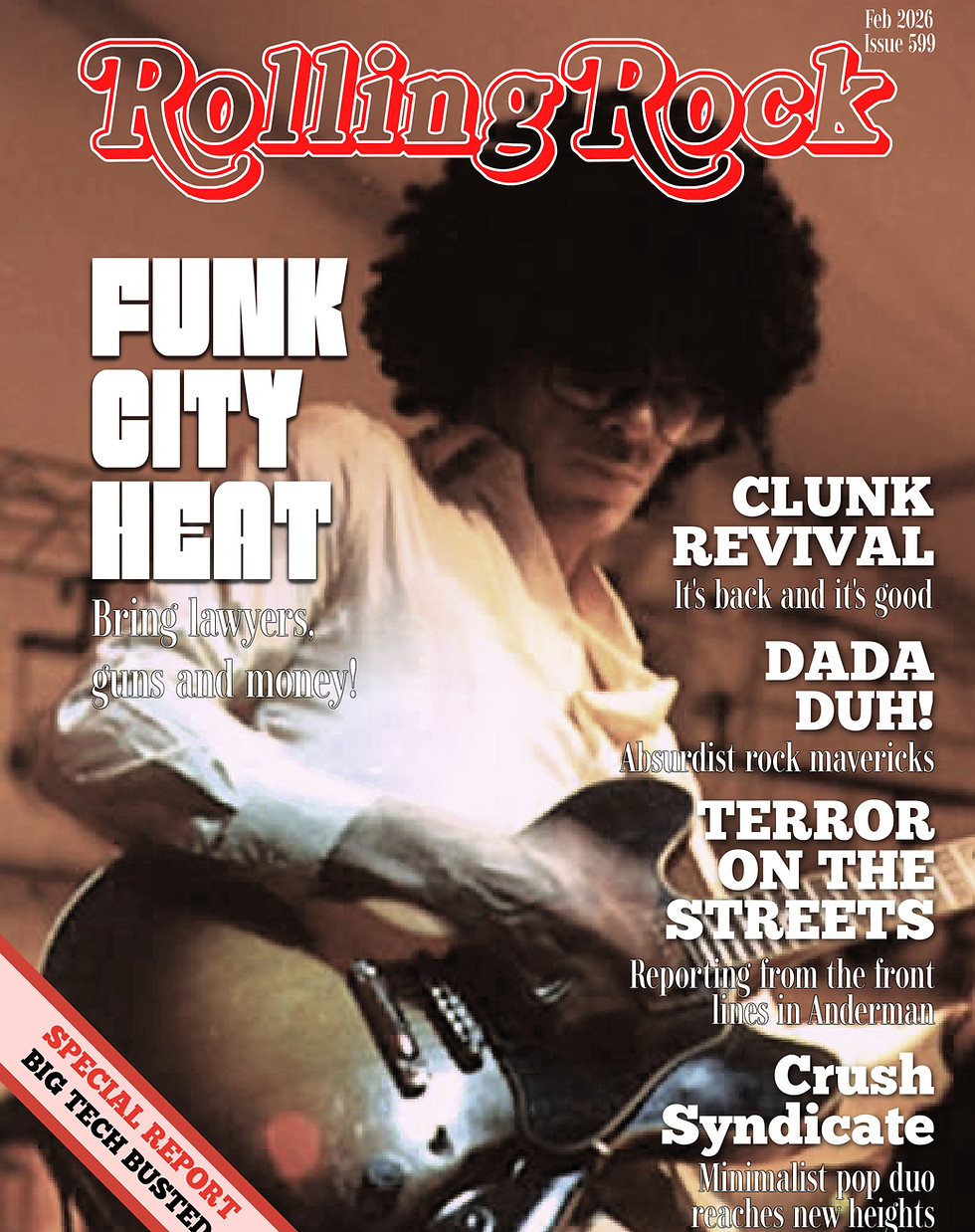
COVER STORY
Funk City Heat and the Art of Total Implosion
The Film That Vanished. The Soundtrack That Survived.
By Al Iasnamé
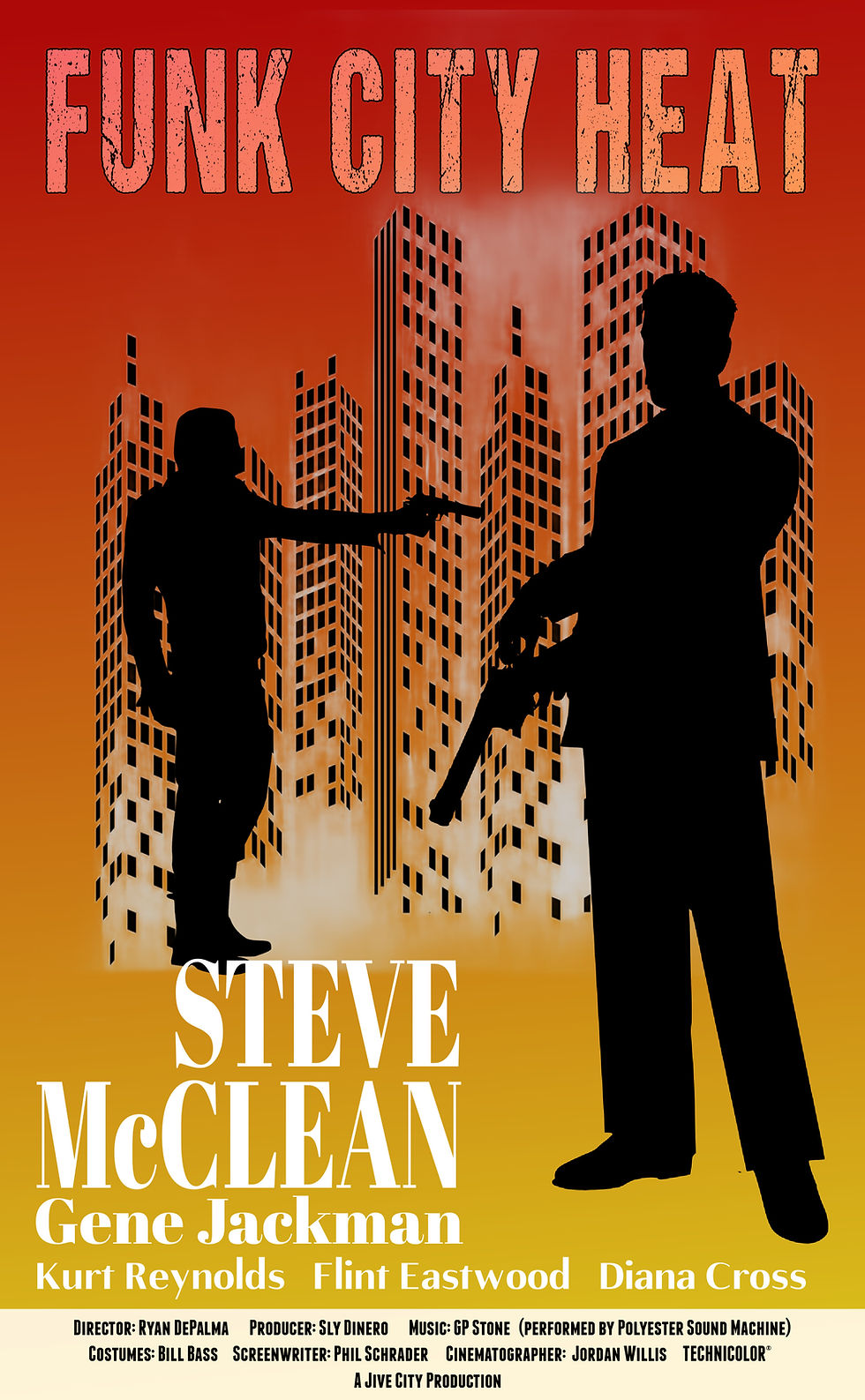
Coming hot on the heels of the tearaway success of their 1971 film Death Mark, producer/director team Sly Dinero and Ryan DePalma of Jive City Pictures looked set to conquer the world with their follow-up, Funk City Heat. With an all-star cast signed on and a soundtrack by the hottest band around, they seemed poised for greatness. How the tables would turn. With a seemingly endless string of lawsuits, scandals, and even criminal charges, Funk City Heat would prove to be too hot to handle.
The 1970s saw drastic changes throughout Hollywood and the worldwide film industry amid a new wave of innovative young filmmakers who would turn the studio system on its head, often delving into darker worlds than had previously been seen. They formed close partnerships with legendary composers from around the world, creating some of the most beloved film music we have today. This was a hugely experimental time when mainstream movie soundtracks began to pull from 1960s Italian experimental film, jazz, rock and psychedelic blues to create iconic scores with massive market appeal.
The end of the 60s and the death of the hippie movement marked the end of movies driven by lofty ideals and the beginning of a new wave of cinema that was dark, conspiratorial, and murky. It was a sea change moment where everyone working in film composition was experimenting, twisting sounds and darkening them to reflect the shifting mood of society. Radical young composers captured this cultural moment with gritty, propulsive soundtracks that expressed a growing disillusionment through a new hard-edged sound. Post-60s optimism gave way to cynicism, which in turn slid into paranoia, and Dinero and DePalma found themselves at the forefront of this renegade movement with the release of Death Mark in 1971.

After securing a green light for development based on an elevator pitch but lacking an actual script, Funk City Heat was born from an infamous three-day scriptwriting retreat and cocaine binge by Dinero and DePalma. High in the Funkwood Hills, they carved what would become their epitaph out of thin mountain air, producing what would eventually go down in history as one of the most spectacular flame-outs ever seen.
With the movie business in upheaval as a wave of hot, new maverick directors shook everything up, this type of behaviour was not entirely unheard of. However, DePalma’s Svengali-like influence over cast and crew created situations in which he sometimes put both them and the general public in harm’s way.
The guerrilla style of production also caused headaches for local authorities when the production team failed to obtain proper permits for street shoots or permission to close public streets for high-speed car sequences. In one incident, a car accident during the filming of a chase sequence disrupted a funeral procession and ultimately added a charge of desecration of a corpse to the producers’ charge sheet.
Fillies and Willies (the inspiration and setting for Cowboy Strip Bar) sued after a skeleton crew descended on the establishment and filmed a scene with Steve McClean and Diana Cross without authorization. An altercation followed between an intoxicated McClean and security staff, resulting in a broken nose for McClean and yet another lawsuit for the production.
After shooting wrapped, the high-profile cast sued for breach of contract when they were not paid, triggering a media circus at the Funk City courthouse. The scandal gripped the city for weeks amid allegations that the actors had been drugged and repeatedly lied to, all while being reminded that their contracts obliged them to appear naked whenever asked. Seventies. Am I right?
When the original script leaked during post-production in 1975, numerous injunctions were filed by prominent US cities over unflattering and false inferences related to famous murder cases and their handling by local police. These included references to Zodiac, Manson, Zebra, and Kemper, among others. This was compounded by inevitable copyright infringement lawsuits from the producers of Dirty Larry, Shell Game, et al.
Shortly thereafter, Funk City Heat became embroiled in further controversy when Dinero faced criminal charges of jury tampering during the trial of Manson Family member Squeaky Frem. It was discovered that Dinero had attempted to bribe jurors for information pertaining to the case. Frem was on trial for the attempted assassination of President Harold Ford, and the media frenzy, already at fever pitch, turned white hot. Sly Dinero was convicted of jury tampering in 1976 and sentenced to 12 months in prison.
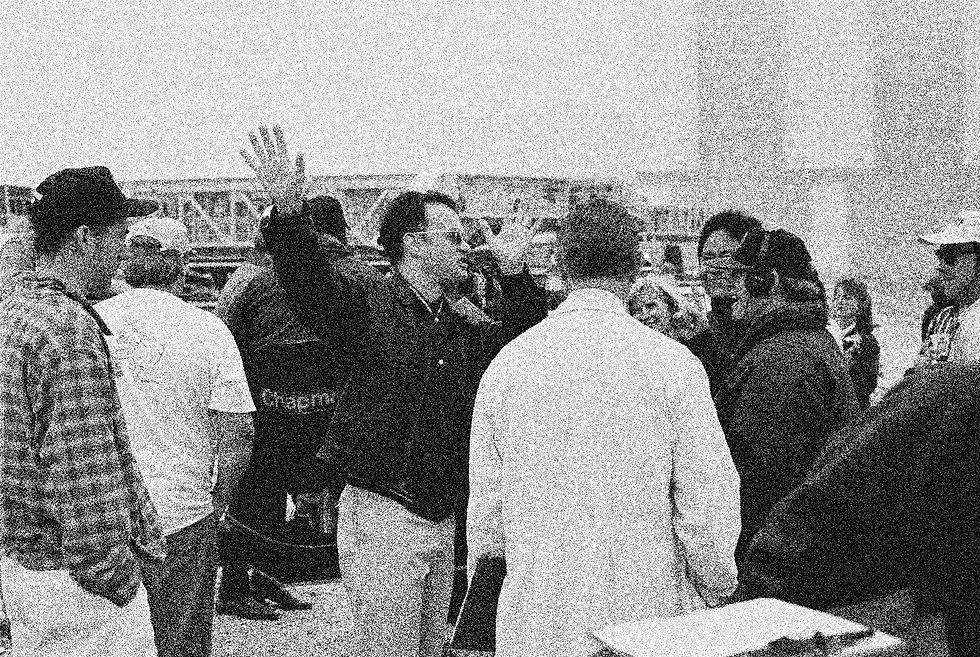
Sly Denero and Ryan DePalma on set of Funk City Heat
Although most suits against Funk City Heat were either settled out of court or mysteriously withdrawn, Dinero’s conviction and the ensuing media circus led Paramont to shelve the production. With Love Tale slated for a fall release, Paramont desperately needed a win, but the hysteria surrounding Funk City Heat and Dinero’s apparent mob ties ultimately spelled curtains for the film. The class action lawsuit from the lead players pushed Jive City Pictures into bankruptcy, and the courts ordered the destruction of all remaining copies of the film in 1977, closing the chapter on one of the most absurd movie stories in history.
Ryan DePalma withdrew from public life for several years before resurfacing in 1982 as a hot music video director on the burgeoning MTV channel. Known for his “anything goes” attitude on set, he directed iconic videos for Muttly Krew, My Donna, and Willy Joel before being tragically killed in a bizarre plumbing accident.
Though the film was destroyed, the soundtrack, contracted separately to composer/producer GP Stone Snr and Polyester Sound Machine, was not subject to the court order and was free to be released. Corks popped. Champagne flowed. The celebration was premature.


Cordory Slim
The soundtrack itself was later hit with several lawsuits from guest players alleging breach of contract by Polyester Sound Machine and GP Stone Snr. These were ultimately resolved out of court in 1978. Nevertheless, due to the ongoing controversy surrounding the film and internal dynamics within the band, Funk City Heat remained shelved... until now.
Upon the death of Corduroy Slim in 2025, the last surviving member of Polyester Sound Machine, it came to light that the band had created a tontine stipulating that the soundtrack could only be released once all members had passed. Perhaps ensuring that, after half a century, something good might emerge from the colossal cluster-dump that was Funk City Heat.
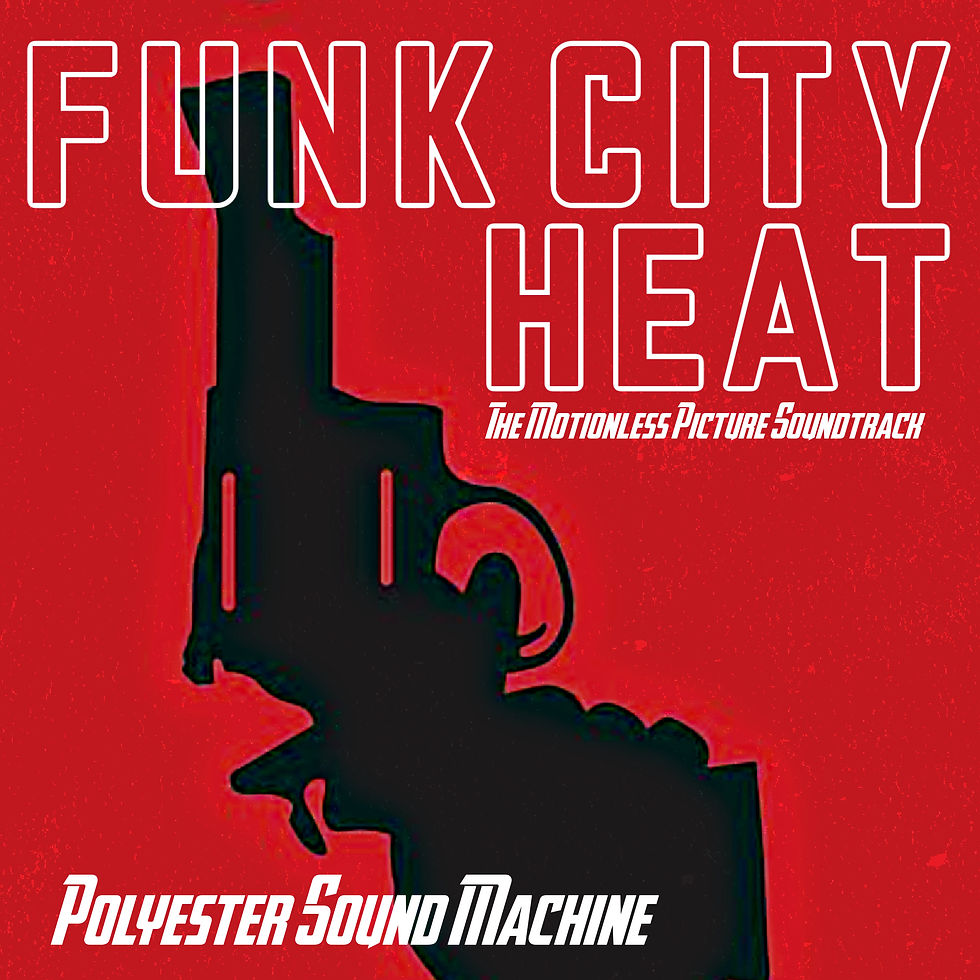
And what an album it is. From the cold open of Prologue – Gemini’s Gambit, we are immersed in Funk City’s grimy streets and pulled into the world of Inspector Harrison as he faces down master criminal Gemini. The high drama of tracks such as Car Chase and Showdown at Gemini’s Lair is tempered by the brooding noir of Reconnaissance and The House on the Hill, showcasing Polyester Sound Machine’s remarkable versatility.
Set Up the Sting drips with funk swagger, while Cowboy Strip Bar would feel right at home in a David Lynch or Jim Jarmusch film. The album’s blended transitions and surviving dialogue snippets lend a cinematic flow that places the listener squarely in the theatre, popcorn in hand.
It’s tempting to imagine what this music’s legacy might have been had it been released in the 70s as intended. Could it have saved Polyester Sound Machine from their tumultuous breakup in 1978? Would it have achieved cult status, or faded into obscurity? With the band’s catalogue out of print since the 80s and a fire destroying the master tapes of their first three albums, much of their work was lost. Perhaps this release might somehow make it available again.

When the tontine agreement was discovered, the families of the deceased band members chose to honour their wishes and release the album. This led the soundtrack to Fuzzy Brown, Head of A&R at Hand Jive Records, whose response was a single word: “Gas!”
And so, after more than 50 years, the soundtrack arrives at last, a gloriously strange and funky footnote to an extraordinary story. Hands down the best thing to come out of the whole mess. Love. Loss. Betrayal. Action. Drama. Gas indeed.
Launch Party at the Black Sheep Inn Wakefield Qc Friday March 6 Tickets Here
Al Iasnamé

Al Iasnamé is a special correspondent for Rolling Rock Magazine, focusing on the intersection of pop culture and music. A keen exponent of gonzo journalism, Al is known to disappear into immersive research for months at a time.
Story leads: